


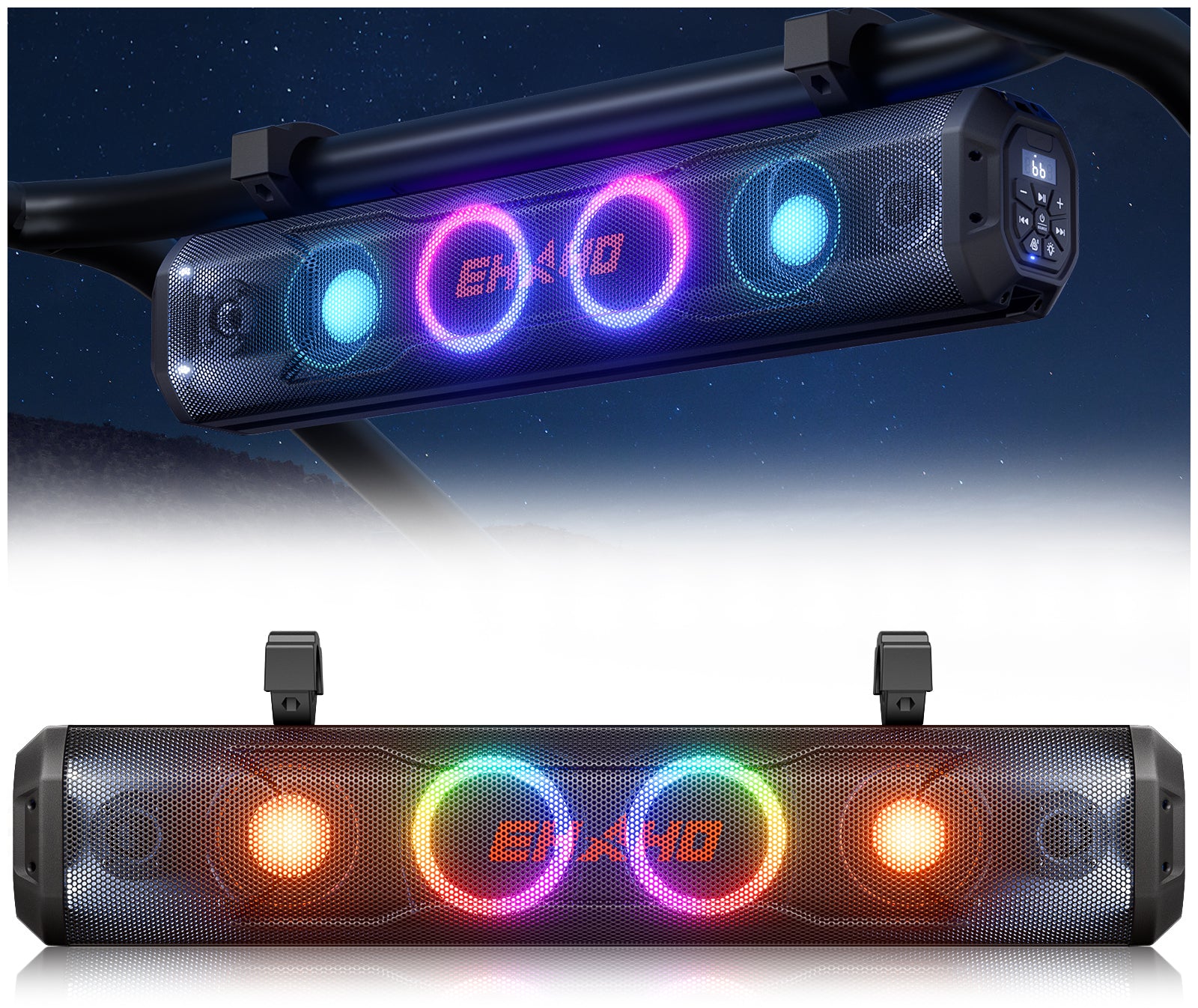


How to Ride Safely and Enjoyably on UTVs, ATVs, Golf Carts, and Marine Vehicles
1. Vehicle-Specific Safety Considerations
Every type of vehicle has its own set of risks and recommended safety measures.
UTVs are powerful off-road vehicles designed for rugged terrain. They can carry multiple passengers at relatively high speeds. Because of this, rollovers are a common hazard, making the use of seat belts and helmets essential. Polaris, a leading UTV manufacturer, emphasizes the importance of roll cages and protective gear to reduce injury during tip-over incidents.
ATVs are typically single-rider vehicles that require careful balance and control. The All-Terrain Vehicle Safety Institute highlights that inexperienced riders should practice in low-risk environments before tackling difficult trails. Proper gear, including helmets, gloves, and body armor, is recommended to protect against falls or collisions.
Golf carts are generally slower but can still be dangerous if improperly used. Overloading or taking sharp turns too fast can result in tipping. The U.S. Consumer Product Safety Commission (CPSC) recommends using reflectors and headlights for visibility, especially during low-light conditions (CPSC Golf Cart Safety).
Marine vehicles present a different set of hazards, including weather conditions, water currents, and collisions. The U.S. Coast Guard advises always wearing a life jacket, using proper signaling devices, and maintaining awareness of water conditions.
By understanding the unique risks of each vehicle, riders can tailor their preparation and safety measures accordingly.
2. Lighting and Visibility: Why It Matters
Visibility is crucial in preventing accidents, whether riding at night, in dense forests, or on shared roads. For UTVs and ATVs, LED light bars can illuminate trails, allowing riders to spot obstacles early. Additionally, whip lights or reflective decals help make your vehicle visible to others, which is especially important in group rides.
Golf carts, while slower, also benefit from visibility enhancements. Simple additions like reflectors and headlights improve awareness for pedestrians and other drivers. Marine vehicles rely on navigation lights and optional auxiliary lights to prevent collisions in low-visibility conditions.
Official sources confirm these recommendations: the ATV Safety Institute emphasizes proper lighting to prevent collisions (ATV Safety Institute – Lighting), while the CPSC and Polaris highlight the role of visible lighting in community and off-road environments (CPSC Golf Cart Lighting Guidelines, Polaris UTV Lighting).
3. Terrain Awareness and Navigation
Knowing the terrain and your environment is just as important as knowing your vehicle. Trail etiquette, such as staying on marked paths and yielding when necessary, reduces the risk of accidents. Riders should anticipate obstacles like rocks, mud pits, or sudden drops, adjusting speed accordingly. Environmental factors such as weather and wildlife also influence safety decisions.
For marine vehicles, this includes monitoring water depth, currents, and local boating regulations. The U.S. Coast Guard recommends checking conditions before departure to avoid dangerous situations.
Navigation tools such as GPS devices or offline maps can help riders plan their route and avoid surprises. When attempting challenging terrain, scouting during daylight hours can prevent accidents during low-visibility conditions.
4. Audio Awareness and Environmental Listening
While music or audio systems enhance enjoyment, riders must remain attuned to their environment. High volume can mask approaching vehicles, obstacles, or natural hazards. The ATV Safety Institute advises keeping audio at a level that does not interfere with environmental awareness.
Group riders should use visual signals such as hand signs or light flashes to communicate without relying on audio. This practice is critical in noisy or visually complex environments like off-road trails or waterways.

5. Vehicle Maintenance and Pre-Ride Checks
Many accidents can be prevented with proper vehicle maintenance. Before each ride, inspect tires, brakes, fluids, lights, and safety gear. The Polaris owner guidelines stress checking suspension and brakes, while the US Coast Guard provides maintenance advice for marine vehicles to ensure mechanical reliability.
Riders should also carry a first aid kit, basic tools, and recovery equipment to address emergencies.
6. Riding Techniques
Different vehicles require different riding techniques:
- UTVs: Gradual acceleration, controlled cornering, and leaning into turns reduce rollover risk.
- ATVs: Weight shifting and foot placement improve balance; avoid sudden maneuvers.
- Golf Carts: Smooth turns and low speeds minimize tipping; do not overload passengers.
- Marine Vehicles: Monitor currents, maintain safe distance, and reduce speed in crowded or low-visibility areas.
7. Group Riding Considerations
When riding in groups, maintaining safe spacing and using visual communication reduces the risk of collisions. Assigning a ride leader and tail rider helps manage group flow. Share hazard information before setting out to ensure all riders understand potential risks.
8. Emergency Preparedness
Preparedness is vital for unexpected situations:
- First Aid Kit: For immediate response to injuries.
- Communication Devices: Radios or phones for remote locations.
- Recovery Gear: Tow straps, winches, or basic repair tools.
- Marine Equipment: Life jackets, flares, and bilge pumps for water safety.
Practicing emergency recovery techniques in controlled conditions enhances safety and confidence.
9. Practical Safety Enhancements
Optional enhancements can complement, but not replace, skill and awareness:
- LED and whip lights improve visibility in low-light conditions.
- Reflective decals or flags enhance group visibility.
- Directional audio allows enjoyment without compromising environmental awareness.
10. Conclusion
Safe and enjoyable rides require awareness, preparation, and responsible techniques. By understanding vehicle-specific risks, maintaining visibility, monitoring terrain, and preparing for emergencies, riders can maximize both safety and enjoyment.
Following official safety guidance ensures you and your passengers have memorable, incident-free adventures. This guide consolidates practical advice, real-world examples, and checklists, making it a reliable resource for any off-road or marine vehicle enthusiast.